
Event Recap: IgniteIt California Spotlight
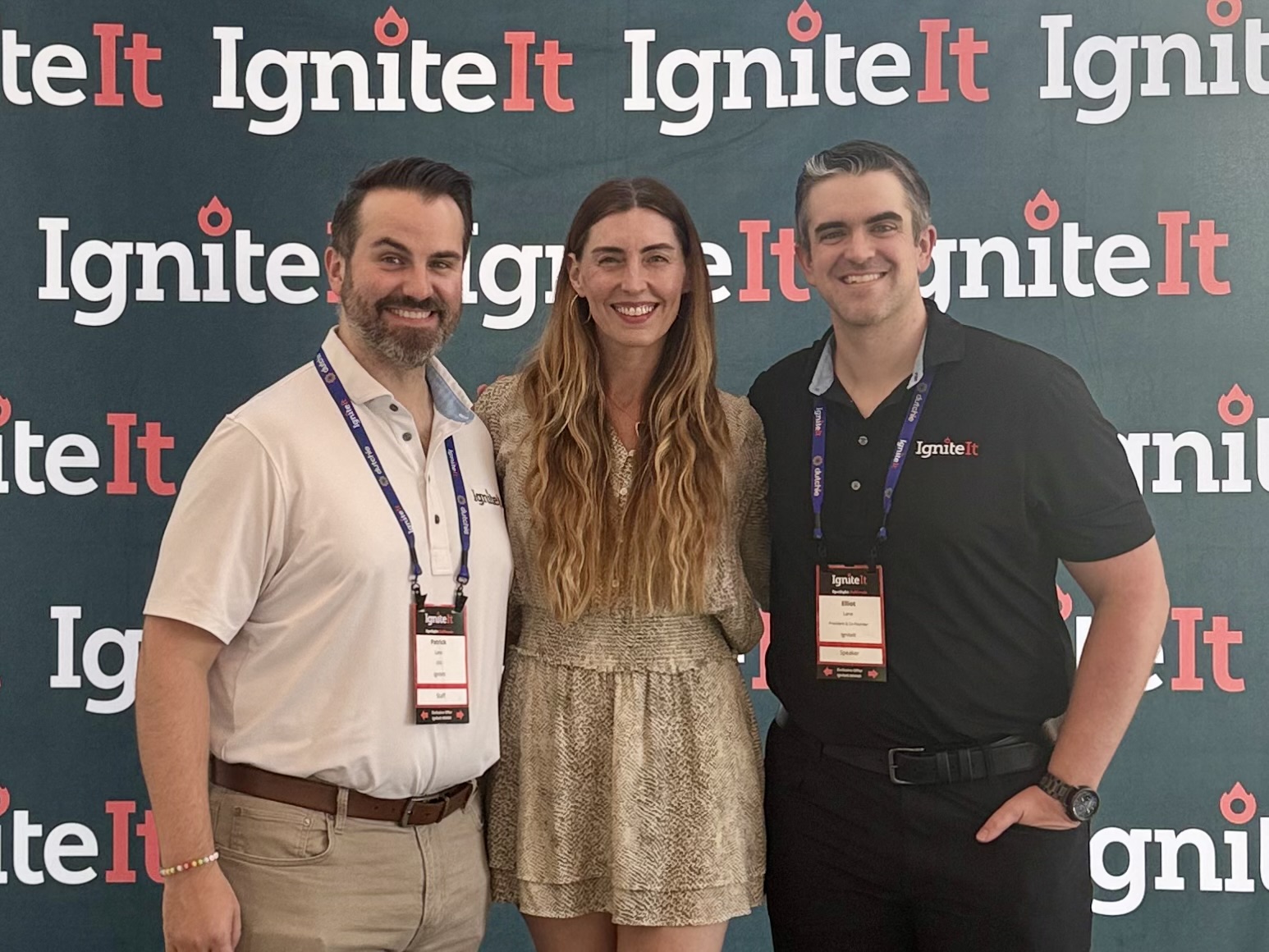
I've attended IgniteIt conferences for years, dating back to the Benzinga days, and have always appreciated the caliber of speakers and conversations they bring together. This year's California Market Spotlight was particularly timely, with the state's election for Governor approaching and the licensed cannabis market continuing to face significant economic and regulatory challenges.
On October 7, around 400 cannabis operators, investors, policymakers, and industry leaders gathered at Hotel Indigo in Downtown Los Angeles for discussions on California's cannabis industry.
The program featured more than 70 speakers, including Steve Hilton, Republican candidate for California Governor, State Treasurer Fiona Ma, Department of Cannabis Control leadership, and executives from across the industry.
Budist participated as a media partner, and I had the opportunity to moderate a panel on cannabis beverages, a category facing significant economic and regulatory uncertainty.
California's Political & Regulatory Future
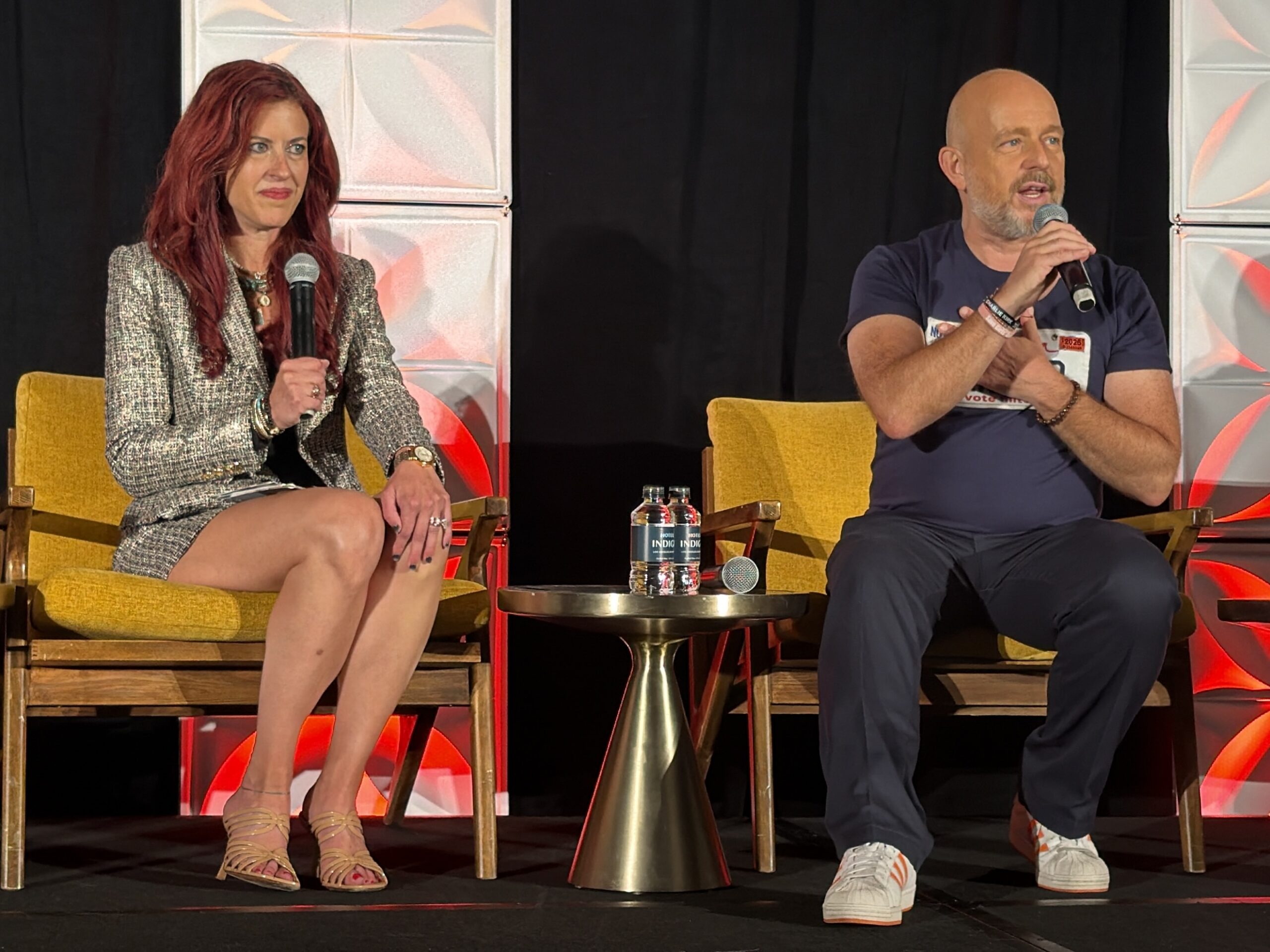
One of the most interesting discussions featured Steve Hilton, the Republican candidate for California Governor, in conversation with longtime industry marketing consultant, Laurie Parfitt, about California's business environment and the challenges facing cannabis operators.
Hilton spoke about making it easier for businesses to operate in California and reducing regulatory barriers that have made it difficult for licensed cannabis companies to compete.
For context, a state-commissioned economic analysis estimated that approximately 62% of cannabis consumed in California in 2024 came from unlicensed sources. That's a staggering percentage for a state approaching a decade of adult-use legalization, and it speaks to how much work remains to bring consumers into the regulated market.
State Treasurer Fiona Ma addressed many of these challenges in a conversation with longtime industry lobbyist Amy O'Gorman Jenkins. Ma acknowledged failures of Proposition 64, with overtaxation, lack of enforcement, and oversupply challenges. Most notably, she publicly expressed interest in organizing an industry coalition to pursue changes to California's legalization framework, and invited attendees to participate.
Having worked alongside cannabis trade associations and advocacy organizations for years, I know how difficult it can be to build consensus across an industry with competing interests. But I also believe California has an opportunity to learn from nearly a decade of legalization and make meaningful improvements to a system increasingly difficult for licensed businesses to navigate.
It was encouraging to see these issues being discussed directly with people who have the ability to influence California's policies and business environment.
The Business of Cannabis in California
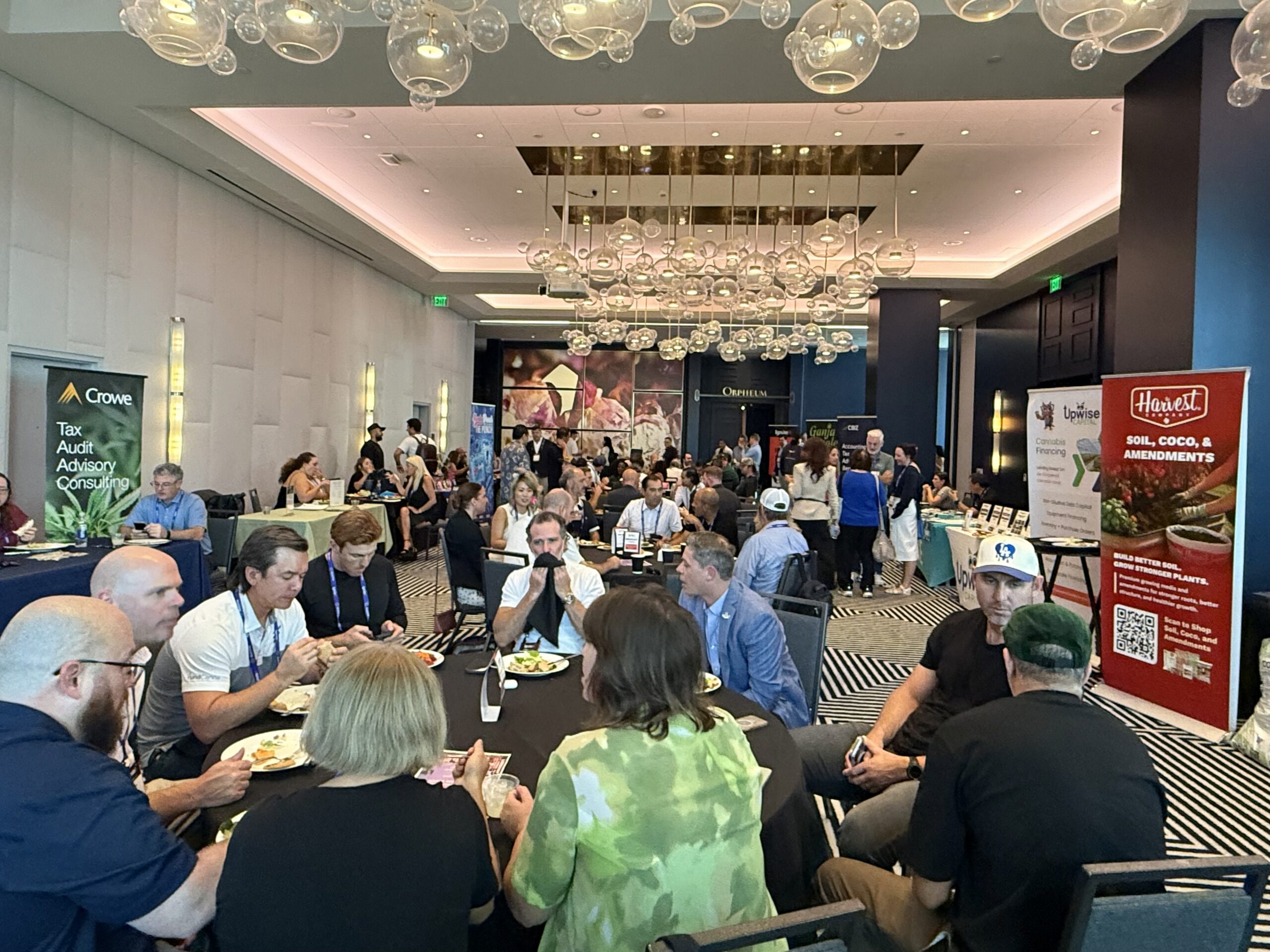
Beyond policy, much of the day focused on financial realities of operating in California, from access to capital and liquidity to operational efficiency and brand development.
According to Headset, unit sales increased roughly 8% year-over-year in September, while average item prices declined from $19.06 to $17.72. Consumers are purchasing more cannabis, but continued price compression is putting pressure on businesses across the supply chain.
While regulatory reform and improved business economics are critical, I believe we also need to focus on expanding the consumer base. There's only so much growth we can achieve through lower prices and competition for existing consumers. We need to build greater appreciation for cannabis, its quality, and the people producing it, and then price it accordingly.
This is central to Budist's mission. Through independent ratings, reviews, and education, we're working to build a culture of appreciation for cannabis, much like what exists in wine. By helping consumers make more informed purchasing decisions and recognizing quality producers, we believe we can attract new consumers, strengthen demand, and support a healthier market.
Federal rescheduling could provide meaningful tax relief through changes to Section 280E, but it won't resolve California's challenges on its own. Public perception also plays an important role in shaping policy, and I believe changing how cannabis is understood and valued is just as important to the industry's long-term growth.
The Beverage Bet: Growth Engine or Niche Product?
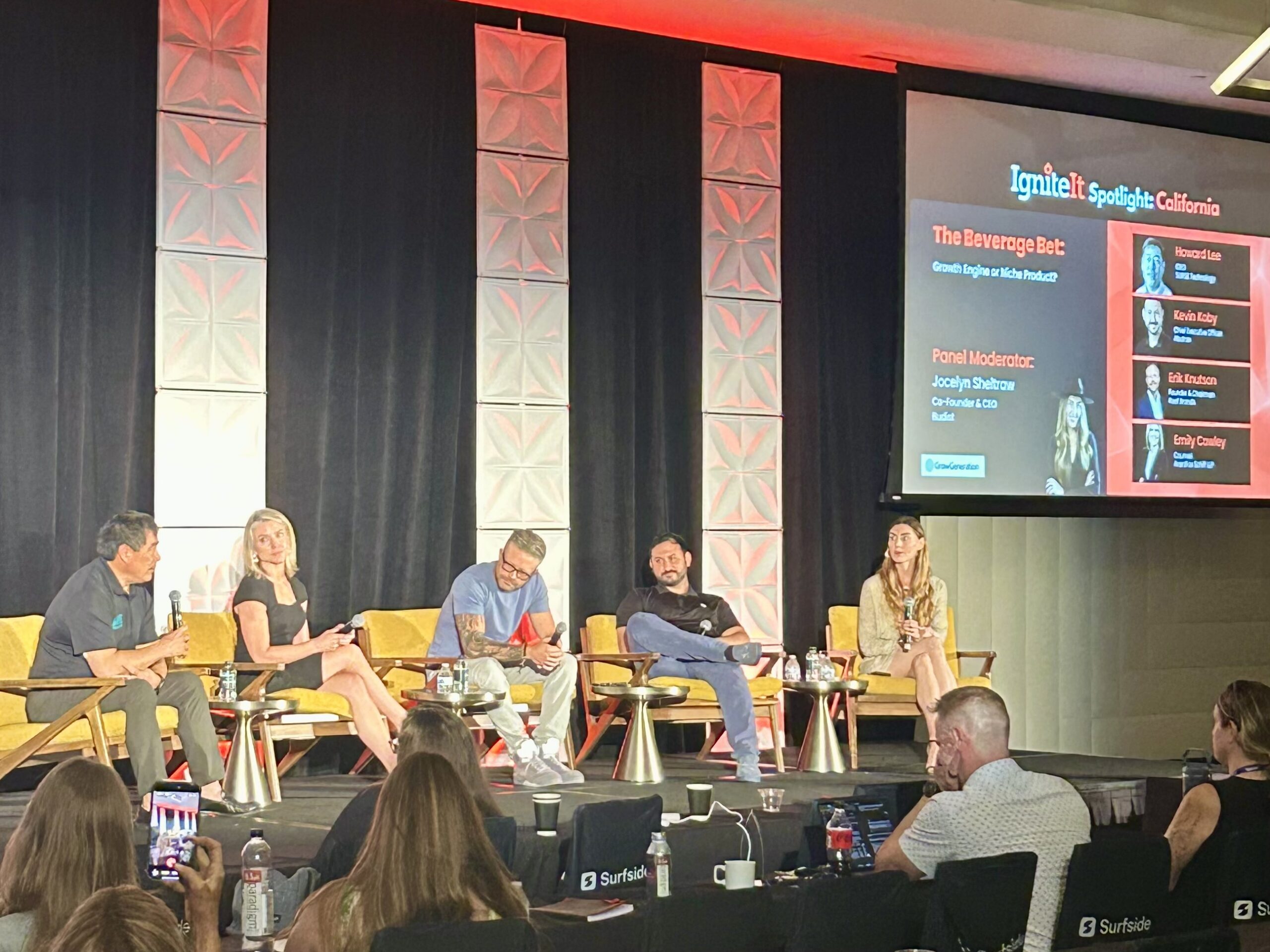
Cannabis beverages are a particularly interesting example of how consumer perception and accessibility can influence market growth, which made this an especially relevant topic for the panel I had the opportunity to moderate.
I was joined by Erik Knutson of Keef Brands, Emily Cowley of ArentFox Schiff, Howard Lee of SoRSE Technology, and Kevin Koby of Abstrax for The Beverage Bet: Growth Engine or Niche Product?
The growth of cannabis beverages highlights a significant difference between the hemp-derived market and licensed dispensaries. According to Brightfield Group, hemp-derived THC beverage sales reached nearly $1.1 billion nationally in 2025, compared to approximately $262 million in cannabis beverage sales across the U.S. dispensary markets tracked by Headset over the past year. While these figures cover different periods and market scopes, they illustrate the impact of broader retail access and distribution on category growth.
Our panel explored whether the economics of cannabis beverages can work in California and what needs to change for the category to drive market growth.
All four panelists agreed that beverage prices in licensed dispensaries are simply too high. Between manufacturing costs, distribution, taxes, and retail markups, it's difficult to offer products at price points that encourage consumers to purchase regularly. This is especially challenging when consumers are accustomed to buying beverages at much lower prices.
Despite these challenges, the panelists were largely optimistic about the category's future. Howard Lee was particularly confident that hemp-derived beverages would receive an exemption from the upcoming federal restrictions, which could help preserve an important avenue for category growth.
Beverages have tremendous potential to introduce cannabis to new consumers, particularly those looking for alternatives to alcohol. But for the licensed market to capture more of that opportunity, we need to make these products more affordable and accessible, while continuing to educate consumers about dosing, formulations, and the overall experience.
My biggest takeaway is that consumer interest is growing, but the economics need to catch up. If we can bring prices down, expand retail access, and build greater consumer confidence, beverages could become a much more meaningful part of California's cannabis market.
Beyond The Stage
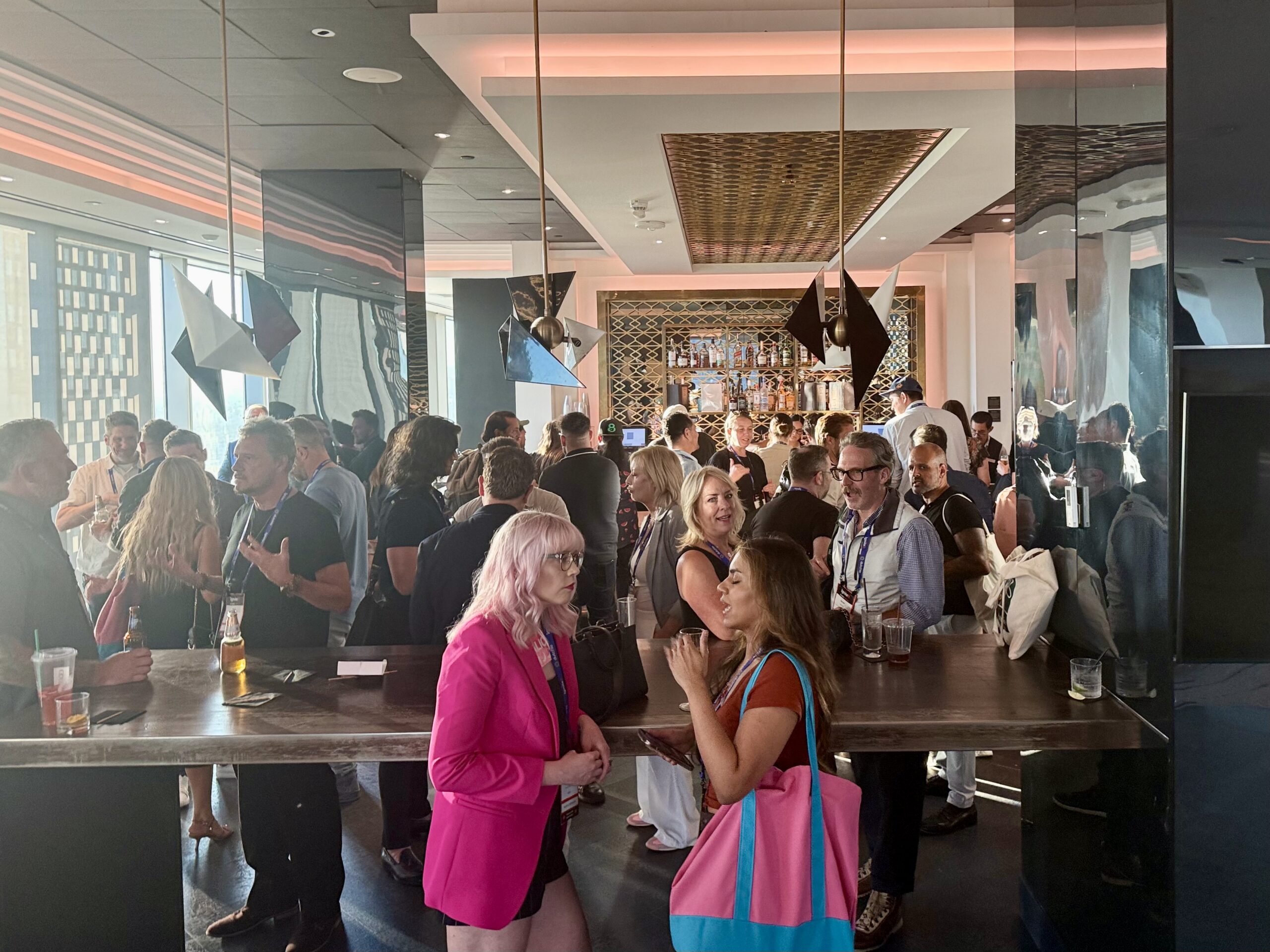
Following the conference, BLAZE hosted a happy hour at 18 Social on the 18th floor of Hotel Indigo, followed by an evening gathering at The Woods hosted by Ian Rassman, the Cannabis Chamber of Commerce, and Emerald Village West Hollywood.
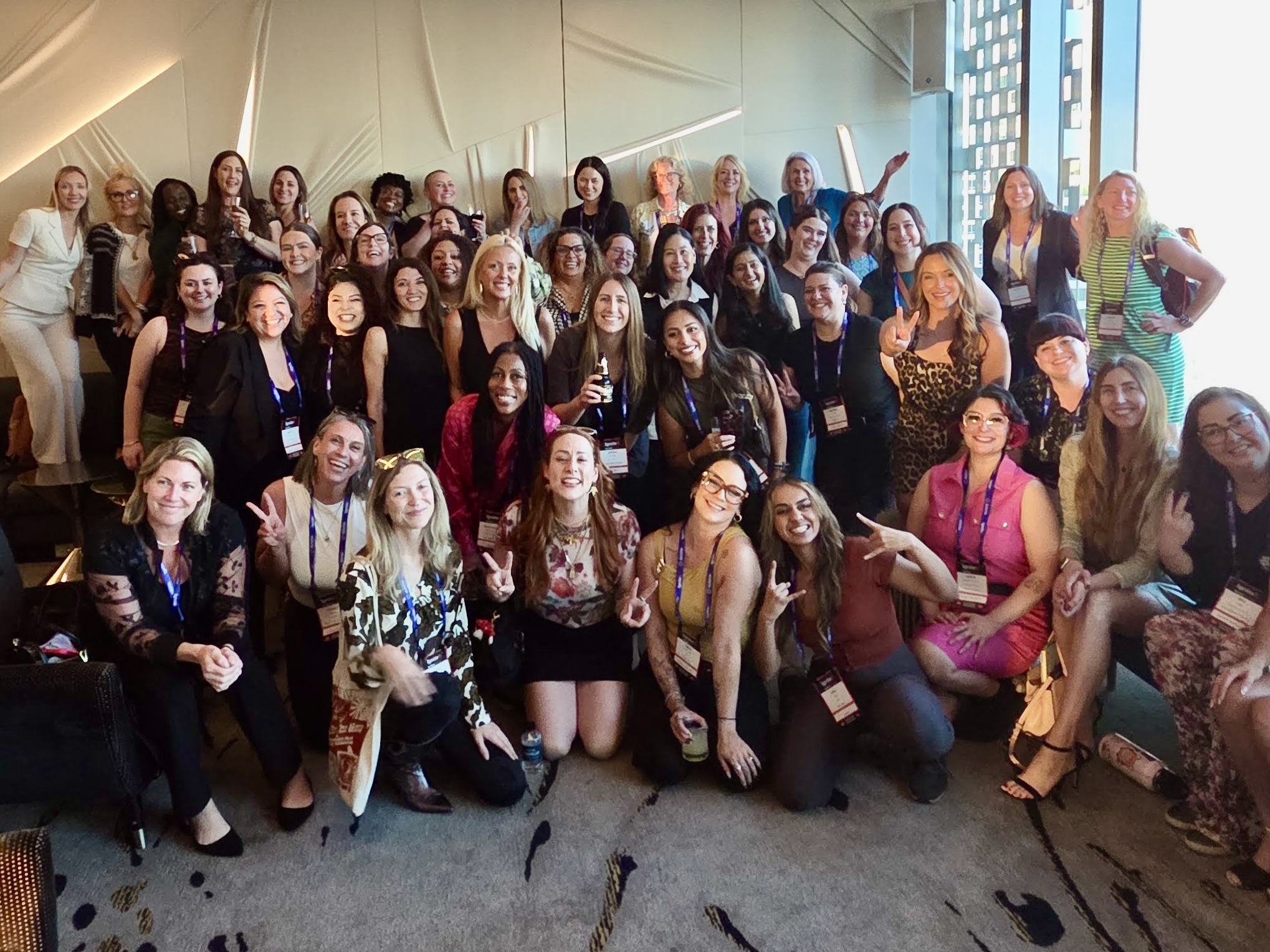
Both events were opportunities to let our hair down, reconnect with industry friends, and enjoy time together. Spirits were high throughout the evening, and it was especially encouraging to see so many women represented across the conference and evening events. In an industry that has historically been male-dominated, seeing so many women leaders and professionals is worth celebrating.
After a full day of discussing the challenges facing California cannabis, it was a welcome reminder of the people and relationships that make this industry so special. The sense of community, shared passion, and willingness to support one another continue to be some of our greatest strengths.
Looking Ahead
California remains one of the most important cannabis markets in the world, with an established consumer base, a deep history of cultivation, and some of the industry's most experienced operators and brands.
After nearly a decade of adult-use legalization, I believe we're at an important point where we can take what we've learned and work toward a more sustainable market. There's tremendous opportunity here, but it will require collaboration across the industry, thoughtful policy changes, and a continued focus on consumers and product quality.
That's why I value events like Ignite It. Bringing together people from different parts of the industry creates opportunities to share experiences, challenge assumptions, and develop a better understanding of what's happening across the market.
For Budist, it was a pleasure participating as a media partner and contributing to the conversation around cannabis beverages, consumer education, and market growth.
A big thank you to Elliot Lane, Patrick Lane, Emily Lehmann, Laurie Parfitt, and the entire Ignite It team for producing another valuable event and bringing together such a knowledgeable group of industry leaders.
Looking forward to seeing how these conversations translate into progress for California cannabis.